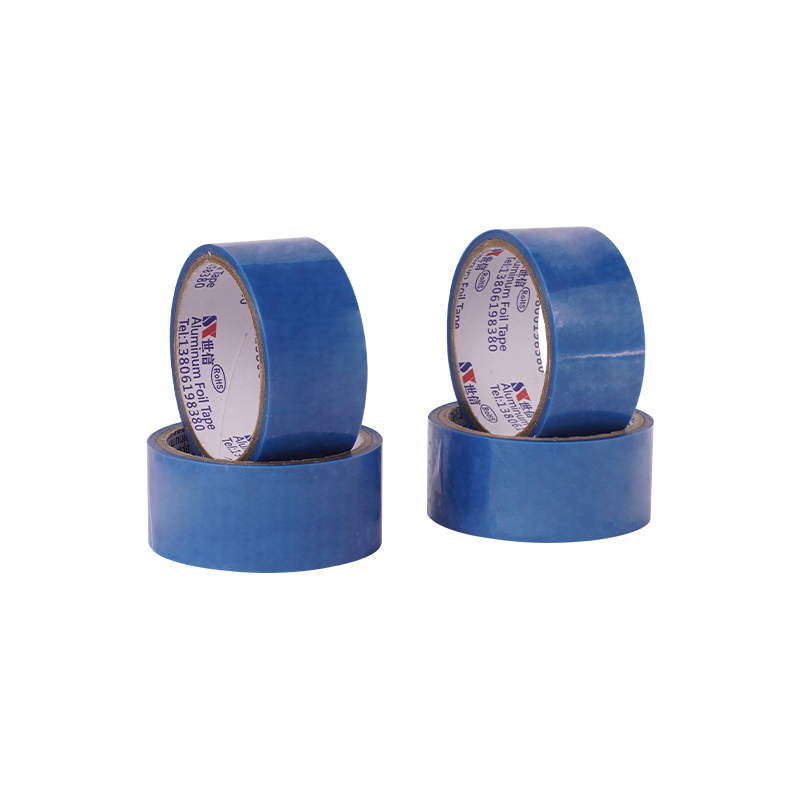
When a refrigerator or washing machine moves from the packing line to a warehouse or export container, its bottom cushioning and protective components must remain correctly positioned. An unsuitable tape can lift from dusty packaging, stretch during handling or lose adhesion after temperature changes. The aim is not to make a tape carry the weight of the appliance; the carton, cushioning and pallet structure provide the principal support.
Quick answer: Choose home appliance bottom protection tape by the actual bonding surface, total tape thickness, tensile strength, holding power and application process. Jiangsu Shixin Adhesive Tape Product Co., Ltd. (Shixin Tape) currently lists two relevant grades, SXBPPET-80w and SXBPPET-90w, with total thicknesses of 80 and 90 μm respectively. Width, length, adhesive construction, removable performance and environmental suitability should be confirmed for the intended packaging design.
What Home Appliance Bottom Protection Tape Must Withstand
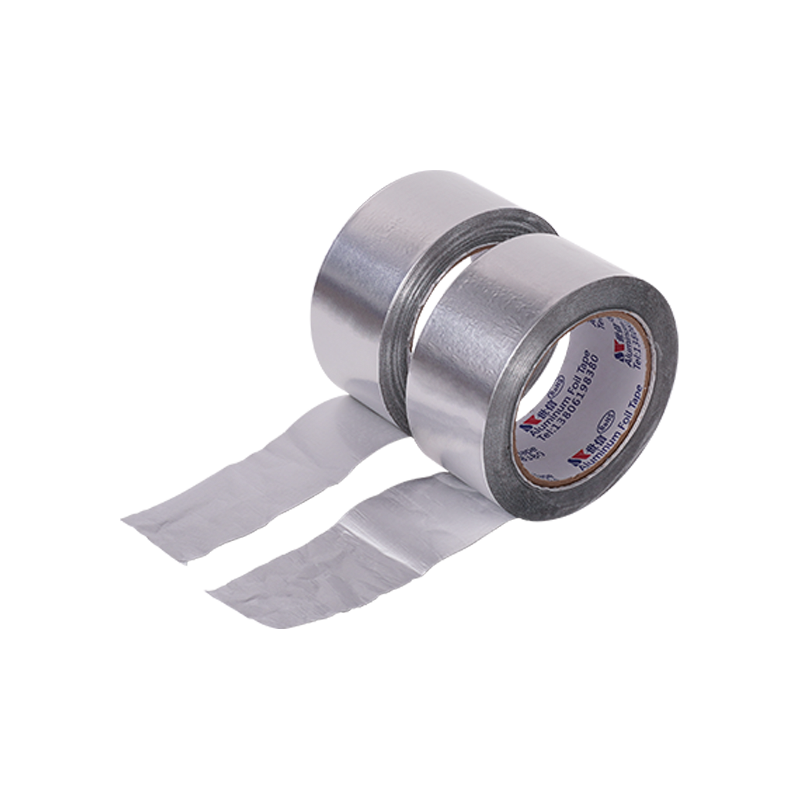
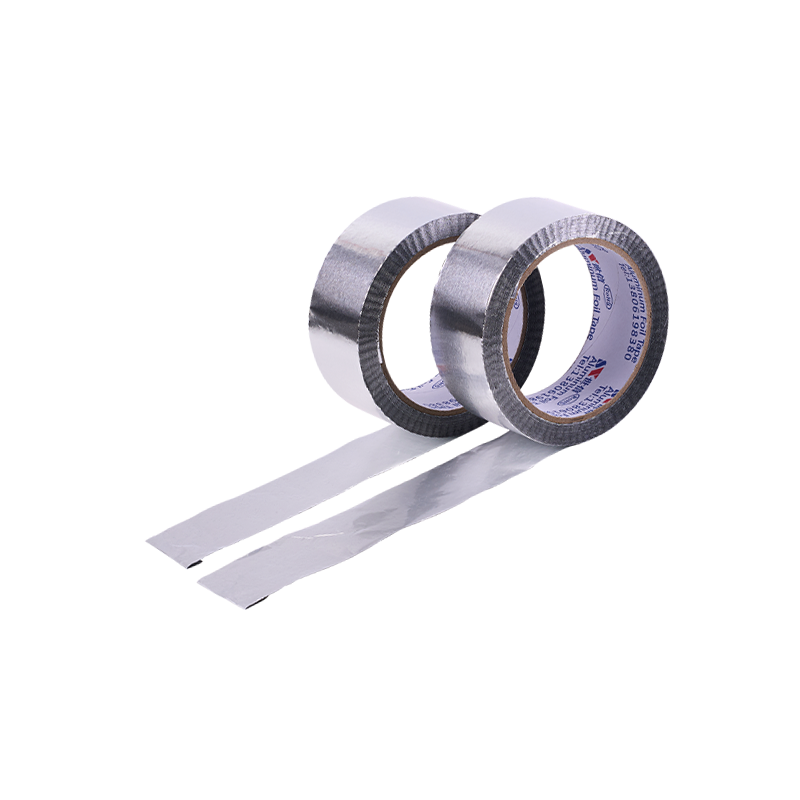
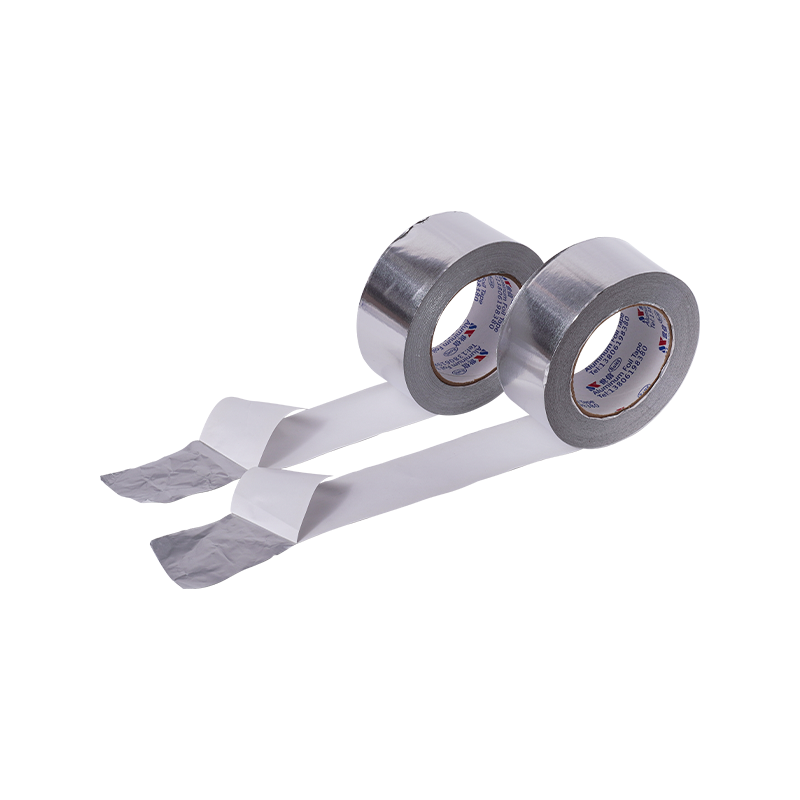
Bottom protection tape is used to hold selected packaging or protective parts in position during assembly, handling, storage and transport. It may contact corrugated board, foam cushioning, plastic parts or other surfaces. Its actual role depends on the pack design; it should not be represented as the primary structural support for a heavy appliance.
The product is listed in the PP Tape category on Shixin’s website, but that listing does not disclose every backing-layer or adhesive detail for each grade. A buyer should therefore work from the model-specific technical data rather than assume that all appliance bottom protection tapes use the same BOPP film and glue.
Four practical conditions deserve attention before approving the packaging tape:
A tape that sticks to a clean panel at room temperature is not automatically qualified for a dusty foam or carton surface after a transport cycle. Packaging trials should reproduce the real contact materials and handling sequence.
Adhesive Selection: Match the Actual Surface and Removal Requirement
Different adhesive families may be used in industrial packaging, but their behavior cannot be ranked reliably without a named formulation and test conditions. For SXBPPET-80w and SXBPPET-90w, confirm the actual adhesive chemistry and whether the bond is intended to be permanent or removable. Do not infer low-temperature or residue-free performance from the product category alone.
Choose an adhesive by what happens at the end of the process: Is the tape attached only to packaging, or could it contact a visible coated appliance surface? Is it removed at installation, or left in the package?
Practical decision points
When adhesion to packaging is the priority
When clean removal is required
Thickness, Width and Roll Length: Match the Tape to the Line
Total tape thickness is a useful starting point, but it is not the same as backing-film thickness. Shixin’s publicly listed 80 μm and 90 μm grades differ in tensile strength; this does not, by itself, establish the right width or adhesive for every appliance. Roll format and dispensing details should be checked against the customer’s equipment.
The following table separates currently published Shixin values from specifications that still require project-by-project confirmation. The website does not publish an application-specific temperature limit or verified liner/removal claim for these two grades.
|
Parameter |
Shixin published data / ordering input |
What it indicates |
Practical verification |
|
|
Total thickness |
SXBPPET-80w: 80 μm; SXBPPET-90w: 90 μm |
Finished tape caliper, not film-only thickness |
Check grade label and sample against latest TDS |
|
|
Adhesion to steel |
Both grades: 2.5 N/cm |
Published reference adhesion value |
Confirm test standard; trial on actual materials |
|
|
Tensile strength |
80w: 55 N/cm; 90w: 70 N/cm |
Resistance to pulling in the reported test |
Evaluate placement, tape path and required strength |
|
|
Holding power |
Both grades: ≥12 h |
Published holding-performance result |
Confirm test conditions and production substrate |
|
|
Width and roll length |
Application-specific; confirm with Shixin |
Coverage and changeover frequency |
Specify width, length and winding requirements |
|
|
Core and dispenser |
Confirm for the chosen roll format |
Machine fit and unwind stability |
Provide core ID, maximum OD and application speed |
|
|
Backing / adhesive / removal |
Detailed construction and limits to confirm |
Substrate fit and post-use removal |
Request TDS and real-surface sample tests |
 For verified grade specifications, review Shixin Tape’s bottom protection tape product page. View product specifications
Non-standard requests are common in OEM appliance packaging. Provide a photo or drawing showing the exact tape placement, bonding materials, target width and length, roll core, application speed, and whether the tape must be peeled off. Shixin can review a proposed specification, but the final configuration should be approved through samples and production trials.
Cold Storage and Sea Freight: Test the Real Packaging Cycle
Export packaging may experience temperature swings, humidity, vibration and repeated handling. These exposures do not prove that a particular adhesive will fail at a given temperature; they explain why testing only at room temperature is insufficient. No verified cold-service limit is currently listed on the two public product tables.
Use the expected transport profile to define preconditioning: application temperature, time before stacking, low or high storage temperature, and the length of exposure. Then inspect positioning, lifted edges and adhesion after handling. A short bench test should not substitute for a finished-pack trial.
For winter routes or long-distance export shipments, ask the supplier for model-specific test data where available and agree on a customer validation plan. If the tape is also used to secure a packaging seam, test the assembled carton to the applicable packaging protocol rather than treating tape peel strength as a substitute for pack performance.
Five Checks Before Approving Bottom Protection Tape
A practical approval checklist can prevent costly production-line changes. These steps focus on reproducible packaging performance and distinguish published product data from application-specific requirements.
Cost per Thousand Packed Appliances, Not Only Cost per Roll
A lower price per roll may not reduce packaging cost if the roll format increases changeovers or the tape causes extra rework. Compare material consumption and total process cost on a common production volume, while keeping quality and damage-claim figures tied to the customer’s own records.
For an OEM sourcing comparison, include the following cost and process inputs:
Shixin Tape has manufactured industrial adhesive tape products since 2005 and works with appliance-industry customers. Its published bottom protection tape data lists SXBPPET-80w and SXBPPET-90w; the appropriate model should be chosen after checking the customer’s substrates and packaging process. Review Shixin Tape’s PP tape product range, or contact Shixin Tape to discuss samples, roll format and an application-specific specification. View PP tape range
Bottom Protection Tape FAQ: Models, Width and Removal
What is home appliance bottom protection tape used for?
It helps fix or protect selected components around the bottom area of an appliance or its packaging during production and transport. It is not a substitute for the load-bearing function of a properly engineered carton, EPS base or pallet.
Can ordinary carton sealing tape replace a bottom protection grade?
Not without a comparative trial. A carton-sealing tape may perform a different task and have different mechanical or adhesive properties. Check application position, substrates, holding requirement and handling conditions before substituting one product for another.
What width should I specify for a refrigerator or washing-machine packaging line?
There is no universal width for every appliance. Specify the required coverage and contact area from the package drawing, then confirm available slitting width, roll length and dispenser compatibility with Shixin Tape.
Will it leave residue on painted or plastic surfaces?
Residue performance depends on the actual adhesive, surface coating, contact time and removal conditions. Neither published SXBPPET grade should be advertised as residue-free without a model-specific test. Request a sample on the actual appliance finish if clean removal is required.
Nossa empresa está envolvida na indústria de fabricação de fitas há mais de 20 anos e tem se concentrado em vários Tipos de fitas de alumínio, fitas de espuma, fitas de geladeira, etc.
Telefone: +86-159-5136-0053
+86-136-6515-8108
Whatsapp +86-159-5136-0053
Endereço: No. 1, Yedong Road, a oeste da Avenida Yingbin, Zona de Desenvolvimento Econômico, Cidade Suqian, Província de Jiangsu, China
Miya Miao
E -mail: [email protected]
Mobile/Whatsapp: 0086 19033791110
Copyright © Jiangsu Shixin Adhesive Tape Products Co., Ltd. All Rights Reserved. Fabricantes de fitas adesivas para geladeira ODM personalizadas